
How Moving Midlife Can Transform Your Lifestyle, Career, and Goals
For mid-career professionals and empty nesters who feel stuck between a stable routine and a growing urge for change, moving in midlife can surface a clear tension: stay put for security or relocate and risk disruption. The midlife moving challenges are real, work identity, community ties, and family logistics rarely shift neatly, but they can also clarify what matters now. When relocation is treated as a lifestyle transformation instead of a logistical headache, the relocation benefits can support personal growth in midlife and a midlife career change. A well-chosen move can reset daily life around redefining personal goals.
Quick Summary: Midlife Move Key Takeaways
- Identify your core reasons for relocating to guide decisions on lifestyle, career, and long-term goals.
- Expect meaningful shifts in daily routines and priorities as you redesign your lifestyle after the move.
- Evaluate how a new location can expand career options and align work with evolving midlife goals.
- Plan the logistics early, focusing on budget, timing, and practical moving considerations.
- Track housing market trends to choose smarter timing and avoid surprises in costs.
Understanding Midlife Relocation for Career Growth
The core idea is to get clear on what is blocking you at work in midlife, then define your next chapter priorities like flexibility, purpose, income, or time for family. From there, you use realistic optimism, not wishful thinking, to judge whether a move supports your plan for career reinvention.
This matters because relocation can solve the wrong problem if you have not identified the real barrier, like stale skills, burnout, or a shrinking local job market. When your priorities are explicit, a move becomes a targeted career choice, not an expensive reset. Evidence can also calm fear, since 82% of people over 47 who attempted a career shift were successful.
Imagine you want leadership growth but your current role has no path up. If your priority is advancement and your barrier is limited opportunity, moving closer to a stronger industry hub may fit. If your barrier is exhaustion, a move without role changes may repeat the same stress.
With priorities and barriers clear, relocation planning steps and moving logistics become simpler to sequence, and exploring employment University of Phoenix options can help you think through the work side of the transition.
Turn Midlife Goals Into a Relocation Plan
This process helps you translate your midlife priorities into a practical moving plan you can actually follow. It matters because a well-sequenced move reduces stress, protects your budget, and makes it easier to land in a place that supports your work and life goals.
- Step 1: Build a decision-to-move timeline
Start by mapping your target move window and working backward to list key dates for notice at work, housing decisions, packing, and travel. A detailed timeline keeps the project from becoming an endless “someday” idea and highlights what must happen first. Add buffer weeks for surprises like delays, repairs, or paperwork. - Step 2: Create a midlife moving checklist that matches your priorities
Write a one-page checklist with four buckets: career, money, health, and relationships, then add 3 to 5 non-negotiables in each. Include support needs like nearby friends, family backup, or local services because inadequate social support can make relocation harder during stressful seasons. This checklist becomes your filter when options start competing for your attention. - Step 3: Set a relocation budget and decision rules
Choose a maximum all-in number for the move and a monthly housing target, then decide what you will trade off if costs run high, such as smaller space or a different move date. Price out the big items early: housing deposits, movers or truck rental, temporary lodging, storage, and time off work. Clear rules prevent “just this once” spending from quietly reshaping your next chapter. - Step 4: Run a focused housing search with a simple scoring method
Pick a short list of areas, then compare homes using a scorecard based on your checklist, not just looks. Confirm commute or remote-work setup, internet reliability, noise level, and daily-life convenience like groceries and healthcare before you fall in love with a listing. If renting, ask about renewal terms and typical utility costs so you know what life will feel like after move-in day. - Step 5: Lock moving logistics, then plan your first 30 days
Book movers or a truck, collect quotes in writing, and schedule utilities and address changes before you start packing in earnest. Pack an “open-first” box and a two-week essentials bag so you can function even if boxes arrive late. For settling in, schedule three small anchors in week one: a walkable routine, one community activity, and one practical appointment.
Home and Community Fit Checklist
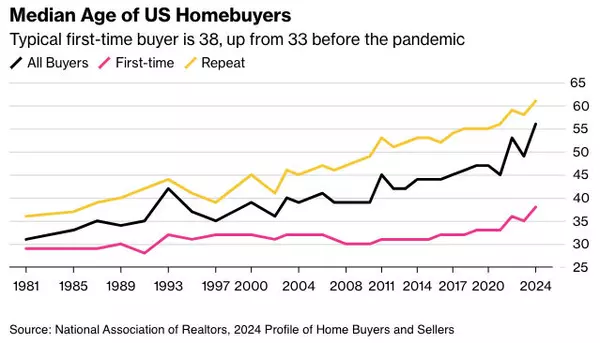
To stay focused as you choose: Your midlife move works best when your new home supports your health, work, and relationships, not just your square footage. Use this quick scan to compare neighborhoods consistently, especially when markets shift and median home prices can reshape affordability.
✔ Set a monthly housing cap and include utilities, taxes, and insurance
✔ Compare commute time and remote-work reliability for your typical week
✔ Confirm proximity to healthcare, groceries, and daily-errand essentials
✔ Review safety, lighting, and walkability at day and night
✔ Score amenities that support your goals: gyms, parks, classes, coworking
✔ Check noise, traffic, and construction patterns around the property
✔ Identify two community entry points: volunteering, clubs, faith, or sports
Check these boxes, then commit to the top-scoring option with confidence.
Turn a Midlife Move Into Confident Reinvention Momentum
Midlife often brings a tug-of-war between wanting change and fearing the disruption it can create in work, relationships, and daily rhythms. The path laid out here treats empowerment through relocation as a structured decision, matching lifestyle, career direction, and community fit so a midlife fresh start feels grounded, not rushed. With that mindset, motivating midlife moves become a form of life and career reinvention supported by confidence building in transitions, not a leap into the unknown. A midlife move works best when it’s planned like a future, not an escape. Choose one future planning tip to complete this week, such as comparing two locations with the same checklist. That small step matters because it builds stability, resilience, and connection wherever the next chapter begins.
Categories
Recent Posts








GET MORE INFORMATION
